The Next RPM Battleground? The Price of Moving Health Data.
Interoperability is no longer only a technical challenge — it is becoming a commercial one. What the rising cost of moving health data means for Remote Patient Monitoring.
Learn MoreNotes on remote patient monitoring hardware, connectivity choices and programme design.
Writing on remote patient monitoring hardware and programme design — connectivity trade-offs, clinical workflow, and what actually drives patient adherence.
Interoperability is no longer only a technical challenge — it is becoming a commercial one. What the rising cost of moving health data means for Remote Patient Monitoring.
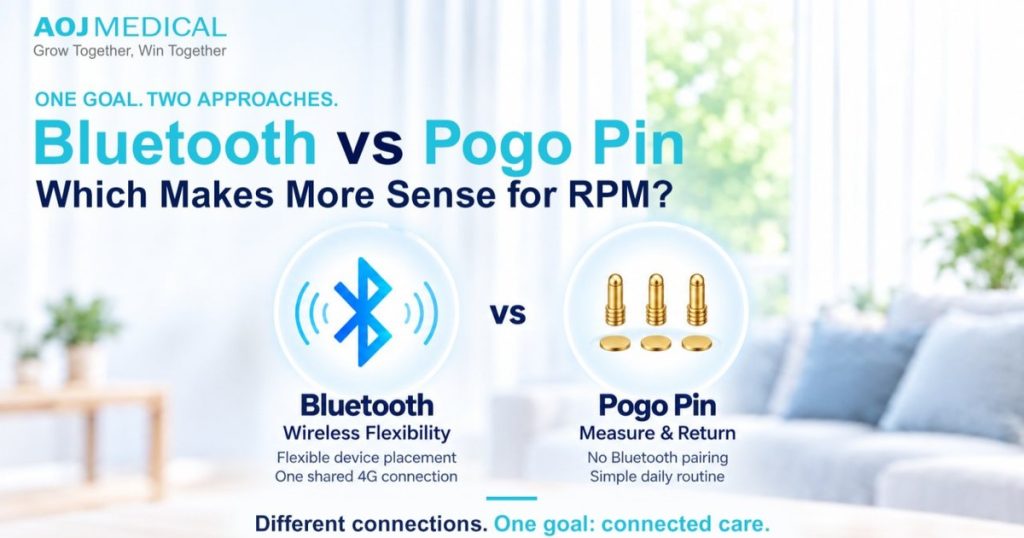
Learn MoreTwo ways to connect multiple medical devices through one Hub: wireless Bluetooth flexibility or plug-and-play Pogo Pin simplicity. Which fits home-based RPM?
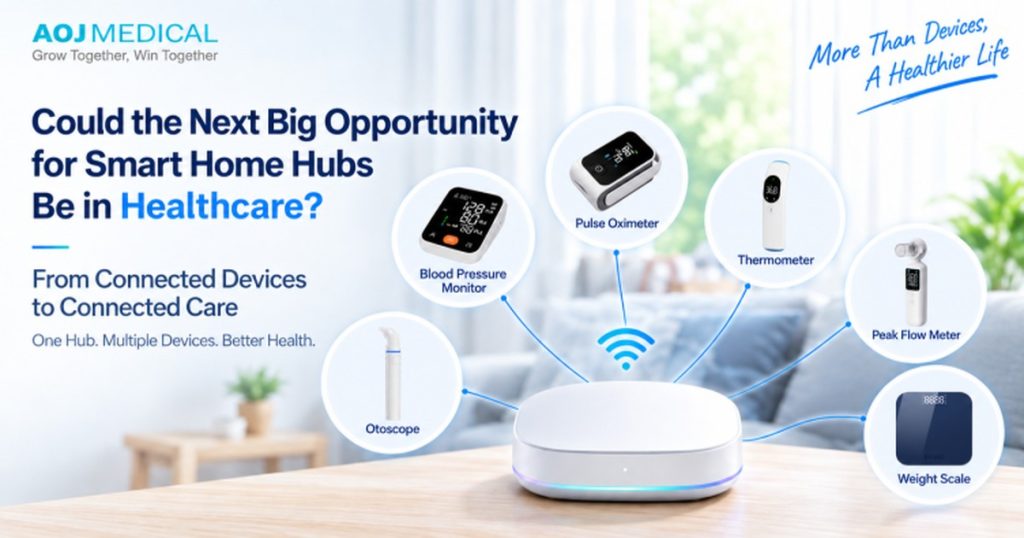
Learn MoreApple HomeView highlights a shift from individual devices to a central hub. Could the same approach make home-based RPM simpler and more scalable?
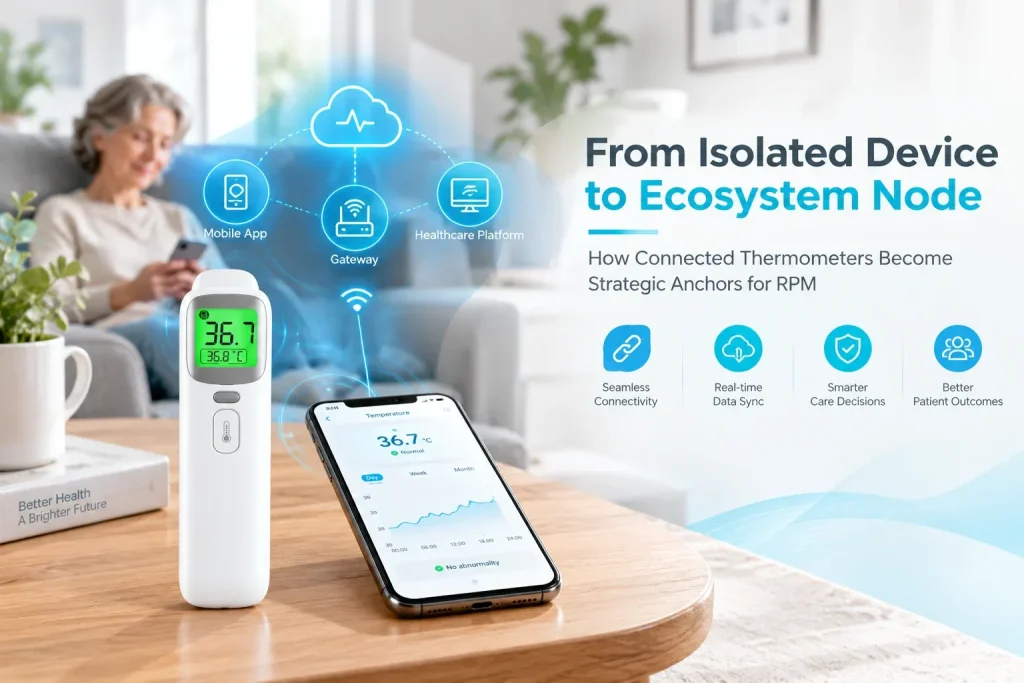
Learn MoreRemote Patient Monitoring (RPM) programs typically prioritize blood pressure monitors, continuous glucose monitors (CGMs), and pulse oximeters. Body temperature, despite being one of the four primary vital signs,…
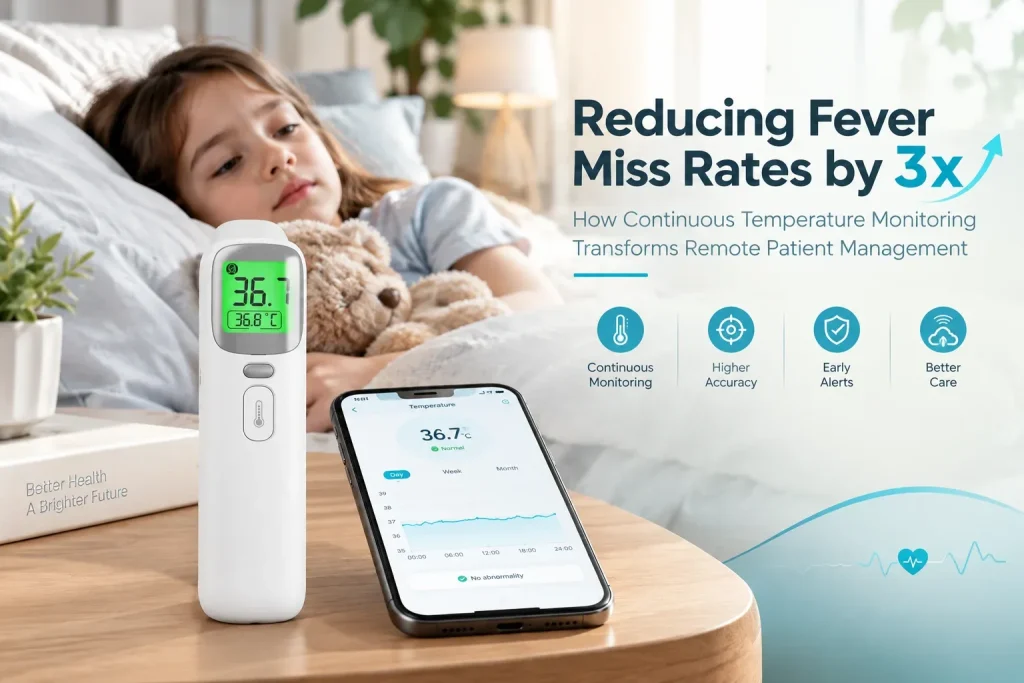
Learn MoreIn modern remote patient management (RPM) and Hospital-at-Home models, monitoring vital signs accurately and continuously is critical for preventing clinical deterioration. Traditional spot-check protocol—measuring body temperature manually every…
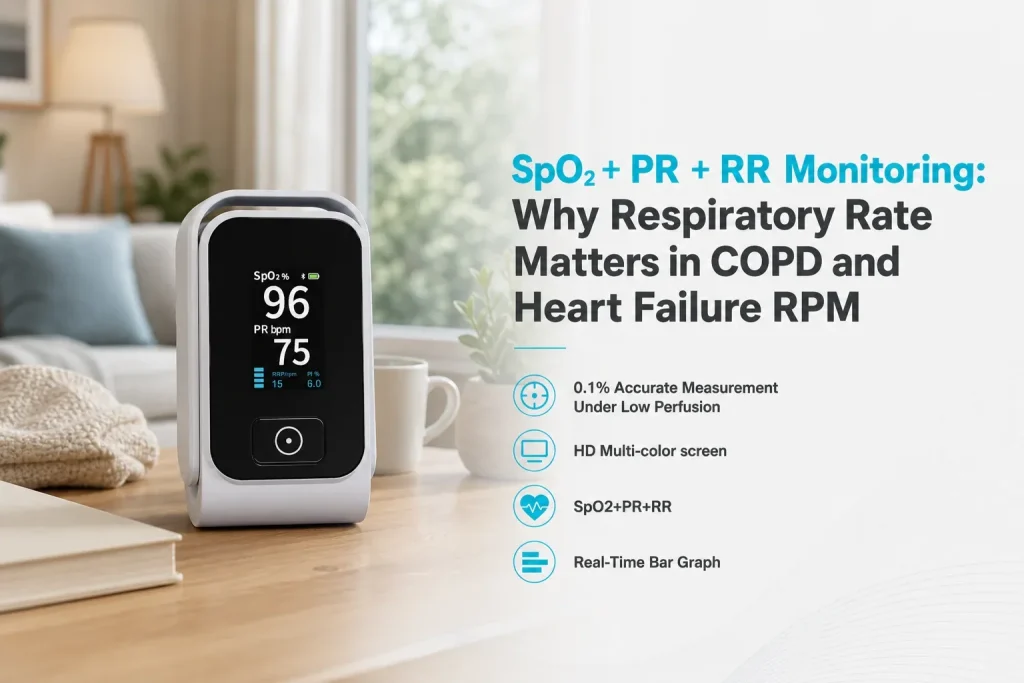
Learn MoreA pulse oximeter for remote patient monitoring traditionally focuses on two vital parameters: oxygen saturation (SpO2) and pulse rate (PR). But for patients with chronic respiratory and cardiovascular…
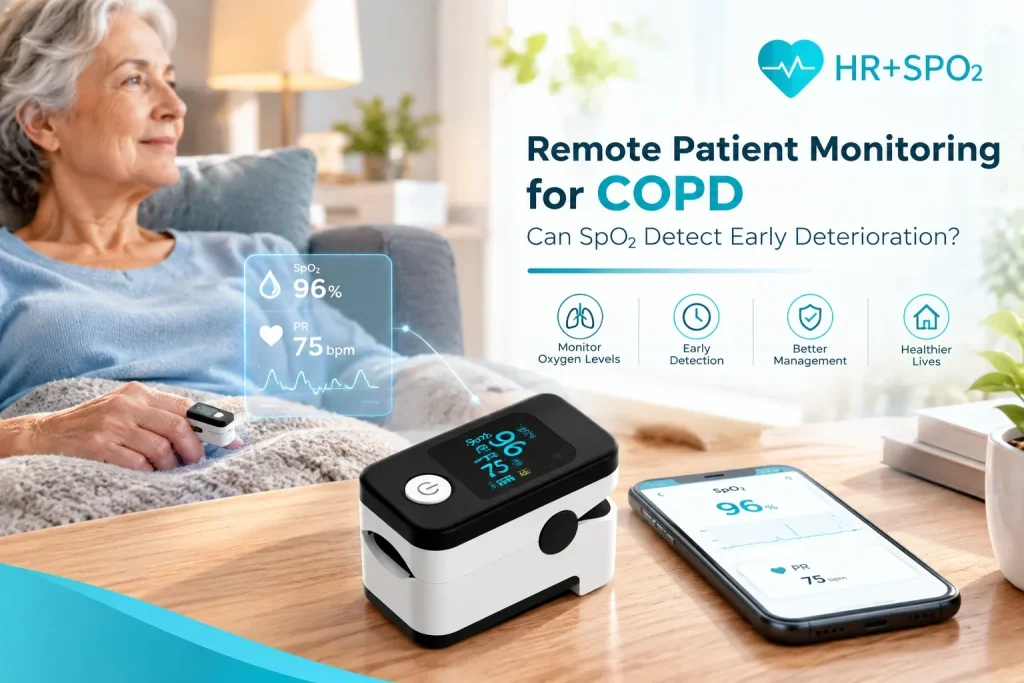
Learn MoreFor clinical teams managing patients with chronic obstructive pulmonary disease (COPD), the value of remote patient monitoring for COPD is not simply collecting more SpO₂ readings. The real…
Learn MoreRPM is no longer just a virtual-care experiment. The infrastructure around it is starting to scale. Published market research points to continued double-digit growth through 2030, driven by…
Learn MoreAs chronic care moves toward outcome-linked payments, the RPM question shifts from “did you collect the data?” to “did the patient improve?”
Learn MoreOvercoming the Deployment Bottleneck in Remote Patient Monitoring As healthcare providers and health systems rapidly expand Remote Patient Monitoring (RPM) initiatives, operational directors face a critical scaling bottleneck:…
Learn MoreIntroduction: The High Cost of Uncontrolled Readmissions in Chronic Care Management Hospital readmissions among hypertension patients represent one of the most persistent and costly challenges facing modern healthcare…
Learn MoreThe expansion of Remote Patient Monitoring (RPM) across U.S. safety-net healthcare providers is changing how Federally Qualified Health Centers (FQHCs) and Rural Health Clinics (RHCs) evaluate remote monitoring…
Learn More